⊕ UAP RECORD Independent research

A closer look / 02 / September 2026

The Meier
photographs.
Follow the evidence.

A detailed interview gives us a lead. The next step is to identify each image—and find out exactly what was tested.

Inspect the visual sequence ↗
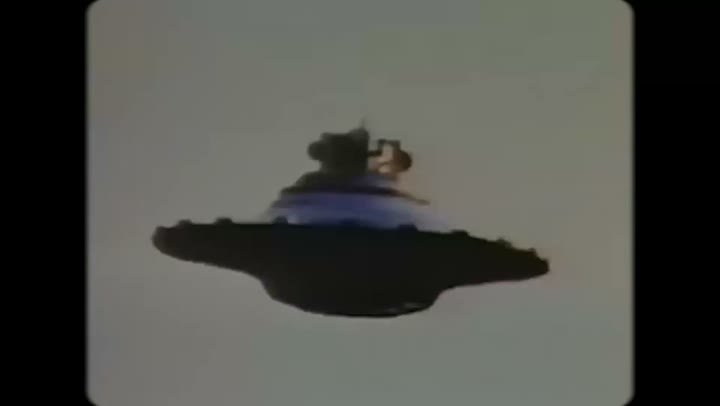
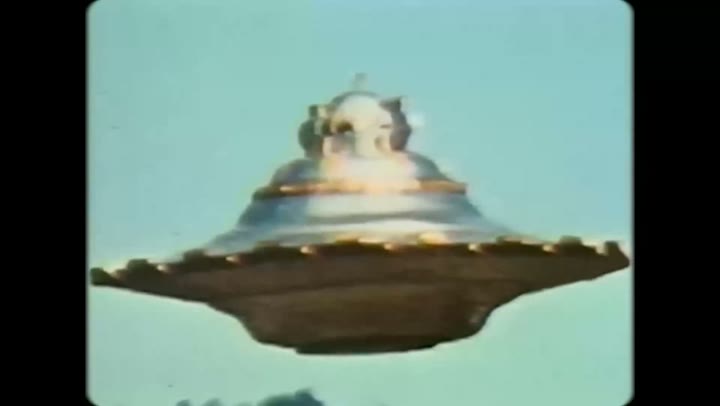
Golden disc detail shown in the interview, visually matched to catalogue photo 200
CATALOGUE MATCH / #200

A specific image. A specific research trail.
Episode excerpt, not a reconstruction.

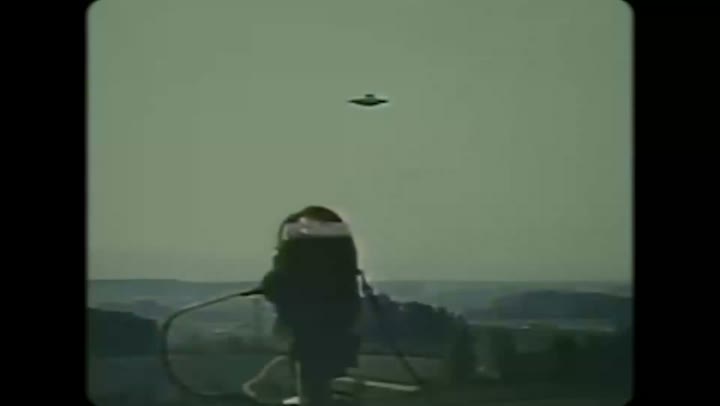
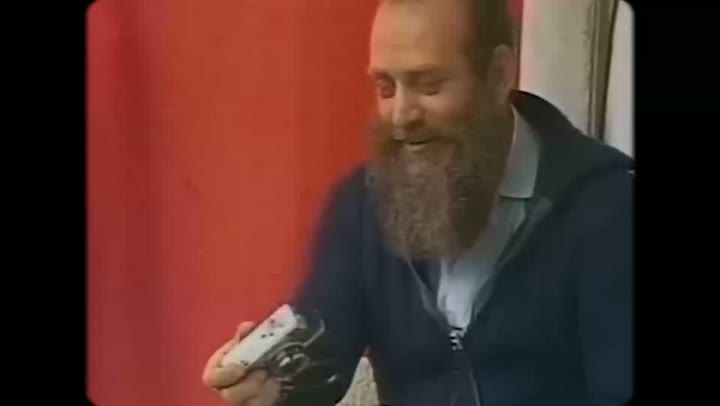
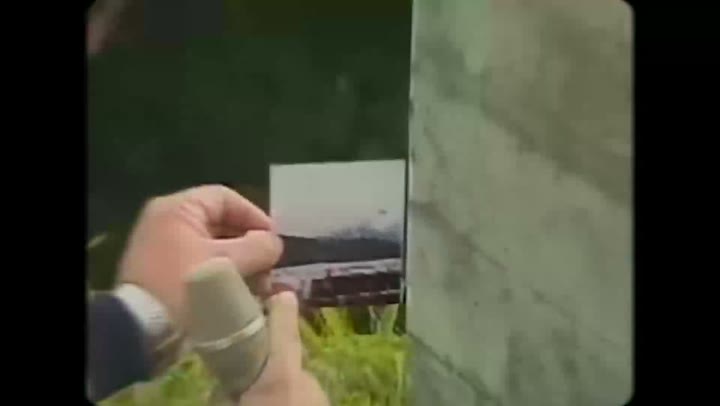
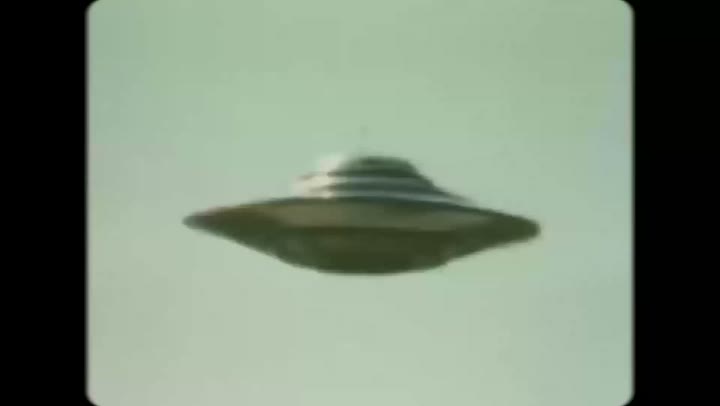
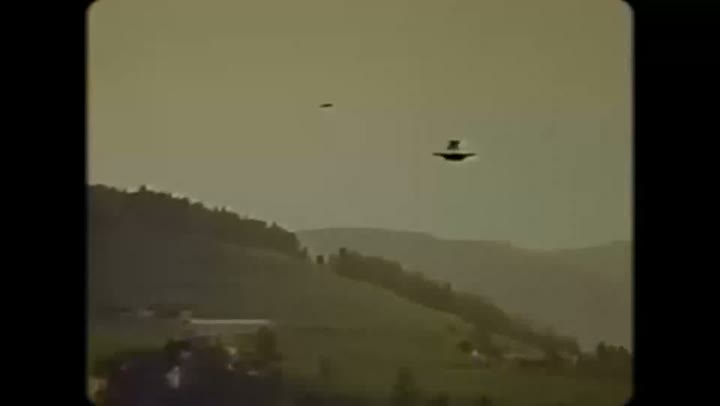
Two dark forms above a valleyCatalogue 638, camera apparatus in the foregroundDark elaborate disc close-up
11visual excerpts
2catalogue compositions matched
4m 16sbounded capture reviewed
3separate assessment dimensions

The practical result

There are actual reports to examine—not just a famous name to trust. Keep the favorable findings. Match them to the right photograph. Make the next question testable.

A useful lead is not a finished authentication

The most productive part of this passage is its claim that some Meier photographs deserve serious, technically informed examination. We followed that lead into named reports, the displayed images and the history of their reproduction. There is more here than an anonymous anecdote—but the conclusions belong to particular materials, not to a whole contact story.

Start with the actual images

The golden close-up visually matches catalogue #200, labelled Bachtelhörnli, 8 March 1976. The camera-in-the-foreground composition matches #638, labelled Berg-Rumlikon, 14 June 1975. These are visual identifications against an advocacy archive, not independent verification of the stated dates, locations or objects. The foreground apparatus is not a tree. The edit dissolves between a saucer close-up and a wider scene; that transition is not evidence of double exposure in the original photograph. Catalogue.

This changes the next research step. We can ask for the exact film, print history and analysis associated with a numbered image instead of asking whether “the Meier photos” passed a test. Matching a picture to a catalogue is useful even while its physical interpretation remains open.

Preserve the favorable analysis—and its scope

Neil M. Davis's 13 March 1978 report describes a preliminary, qualitative examination of one copied colour print, supplied as part of a six-frame sequence near Hinwil on 3 August 1975. He found no evident manipulation in the examined print and considered it consistent with a large object photographed at a distance. His microscopy, density-contour and illumination observations are actual favorable findings; quantitative haze/contrast ranging was proposed future work. He requested original film, all six frames and measured landscape distances; copy history was unknown. The report does not authenticate every image shown in the podcast, and we have not matched its input to one of these excerpts. Davis report, reproduced text.

Wendelle Stevens describes inspecting original positive transparencies and making internegatives for laboratory work. So “no original negatives” is a poor shortcut: the asserted original medium was slide film. His account also acknowledges that copying can hide a thin suspension line. The present location and custody of the relevant originals still need to be established. His report discusses enlargement of photo #200; that is not a demonstration that every listed analytical method was successfully applied to it. Stevens, especially PDF pages 6–8.

Follow the expert attribution precisely

Kinder's Light Years also records Eric Eliason and Michael Malin examining digitized Meier images in 1981. Eliason found no obvious compositing boundary; Malin found no obvious anomaly at the supplied resolution. Both qualified their findings because original film and acquisition details were unavailable. Eliason explicitly said the image-processing result did not exclude a model. These are meaningful favorable observations by relevant specialists, not just a celebrity endorsement. The shared Dilettoso supply chain and unidentified image numbers prevent counting them as independent encounters or assigning their results to #200 or #638. Kinder, reformatted PDF pages 143–147.

At approximately 2:46:18–2:47:20, Jorjani attributes the special-effects/ILM argument to Jacques Vallée. The passage does not supply Vallée's original locator or identify which photographs are meant. Treat it as an attributed assessment that can be investigated, not a signed image-analysis report. Episode at 2:46:18.

There is a nearby, traceable historical argument: Gary Kinder's 1987 open letter attributes a demanding production-resources assessment to Wally Gentleman, while discussing Michael Malin's LucasFilm association separately. Kinder also describes the limitations of copied materials and nondefinitive examinations. This is a possible lead for the attribution problem, not proof that Jorjani combined those sources. Kinder, MUFON UFO Journal no. 228.

In a later interview, Vallée puts Meier among hoax cases; that broad judgment provides neither an image-specific technical report nor the alleged ILM wording. A later general criticism cannot tell us everything he may have said about an earlier individual image. The original statement remains a concrete acquisition target. Vallée interview, authorised English republication, 2014.

Apply the same limits to contrary reports

Working from new negatives made from ten submitted photographs, Ground Saucer Watch's April 1980 article reports model and photographic-manipulation findings. It describes conventional and computer examinations and reproduction experiments, but does not establish possession of camera-original film or provide a complete catalogue-number-to-test mapping and reproducible raw files. The authors explicitly do not extend their result to all Meier material. We retain the adverse report without pretending it identifies and disposes of every picture in this montage. Original bulletin, printed pages 4–7.

What the next interview could establish

  1. Which exact Vallée publication, recording or correspondence contains the assessment—and which numbered images does it concern?
  2. Who holds the original transparencies or reels, the full adjacent sequence, and the development and copying records?
  3. Which favorable and adverse reports tested the same input? Can their procedures and control images be compared on equal terms?
  4. What experiment distinguishes a distant large object from a nearby model for that particular lens, scene and film generation?
  5. What independently links the photographed object to the reported occupants? An image of a disc does not, by itself, identify a Nordic being.

These questions preserve the potentially important evidence while making it more testable. No original-film forensic examination was performed for this review, and no ET-origin probability is calculated.
03 / Why this assessment?

Who speaks matters.
What was tested matters too.

We now give source specificity and contextual knowledge explicit credit. A persuasive passage can be a strong research lead without automatically authenticating the pictures displayed beside it.

Jorjani / this passage

8/ 12

Editorial research usefulness

Six visible components. Detail and context contribute 4 points. This is not an authenticity probability, a personal reliability ranking, or a score of every claim he has made.

Equal weights are an editorial convention, not a scientifically calibrated probability model. A source with relevant, demonstrated access earns credit for that access; reputation does not substitute for it.

Identity

The named speaker and public passage are directly identifiable. This is traceable testimony, not anonymous circulation.

2/ 2
Specificity

Named experts, a technological-resources claim and a historical period create concrete follow-up questions.

2/ 2
Context

The passage connects the contact narrative, photographic material and earlier technical discussion. Contextual detail is credited for research usefulness, not assumed to be accurate in every respect.

2/ 2
Traceability

There are named leads, but no exact Vallée locator or numbered list of his supposedly best photographs.

1/ 2
Access

This passage supplies a second-hand assessment; it does not establish Jorjani’s direct examination of the camera-originals. Zero here means no demonstrated direct access in this passage, not dishonesty.

0/ 2
Calibration

The possibility of fabrication is acknowledged, but the demanding-effects claim is not scoped to identified inputs or controlled tests.

1/ 2
01 / Source

Useful, traceable leads

Jorjani names people and a testable production-resources argument. His lifetime accuracy remains unaudited. No popularity, ideology or identity-group bonus is used.

02 / Photograph

Authentication unresolved

We acquired video derivatives and historical reports. An exact input-to-analysis mapping, originals, custody and reproducible test outputs are still missing for the displayed set.

03 / Encounter

Origin not established

Even an unaltered photograph could show a staged scene. A craft image alone does not identify its occupants or establish an extraterrestrial origin.

How the decision logic works—and what would change the result

The algorithm keeps three outputs separate: editorial utility, the scope of a matched photographic examination, and corroboration of the event. Unknown means unresolved, not false. Independent origins are counted only when their independence has been documented; reposts and new analyses of the same picture add none.

Task-relevant skill, equipment, time and image complexity are legitimate investigation variables. They need a concrete image and a tested alternative explanation. SWGDE also distinguishes file integrity from image authentication, warns against unsupported numerical probabilities and calls for explicit limits. SWGDE 18-I-001-2.0 (2025), §§2, 5–9.

Source access, expertise and validation belong in the reasoning, alongside uncertainty and alternatives. ODNI ICD 203, D.6.e(1–4). Neither organisation endorses this project or supplied our point weights.

To move an image’s assessment, acquire an identified input, custody record and matched report with reproducible methods. A no-manipulation finding stays limited to the tests and material examined. It never becomes an automatic ET verdict. Identity or eloquence cannot change that output.

This v2 pilot is applied to this passage and its linked pages. Older CCS bands elsewhere are retained, not represented as newly re-audited. Computed assessment and reasons (JSON) · Frames, source ledger and checksums (JSON).

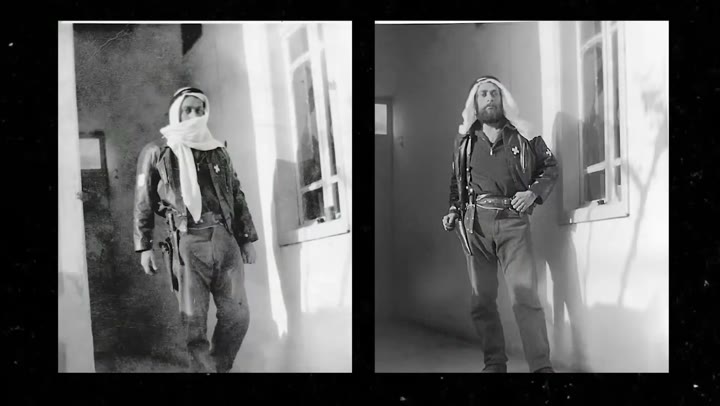
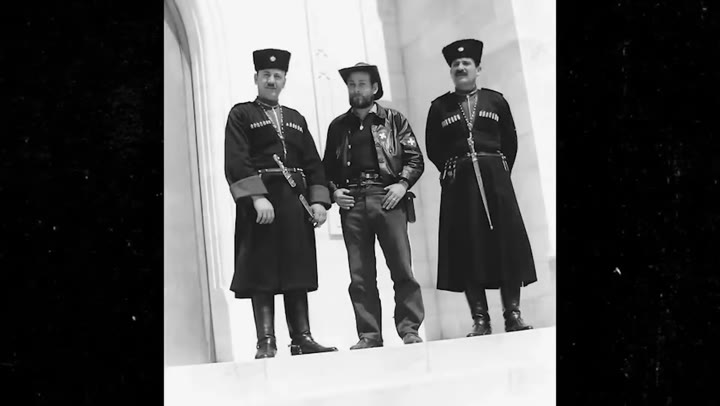
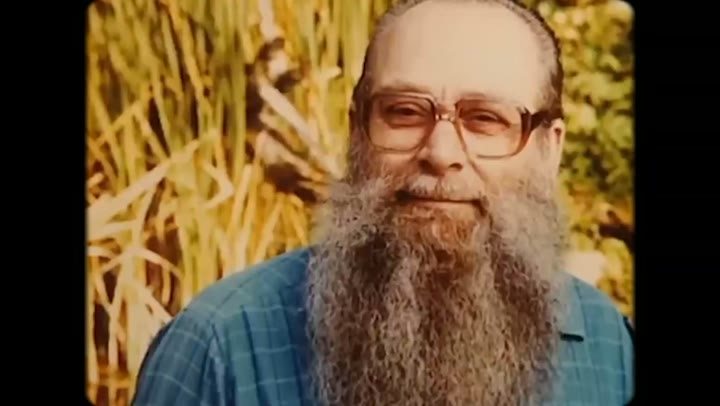
The public upload EzPmG_7WhXc, 2:44:30–2:48:45, was captured during browser playback and inspected in a complete two-second contact-sheet sweep, with denser frame inspection around the craft montage. Eleven representative clean panels were retained. A paired-portrait panel contains two photos; camera handling and the print comparison are moving-footage excerpts. This is a bounded sequence inventory, not a claim to have extracted every picture in the entire three-hour interview.

Existing machine captions were compared with a fresh local Whisper small.en transcription of the captured audio. Both support the passage’s broad content, but names and the ILM acronym remain transcription-sensitive. The new pass was not treated as infallible or silently substituted for the corpus. We paraphrase the argument and link the recording; we do not certify a human-verified verbatim transcript.

Source times are approximate within one second. Browser encoding adds a derivative generation; the audio decoder reported a minor initial packet warning. The underlying film, slide, negative, scan and edit history are not recoverable from this capture. Public JPEGs are 720 pixels wide, unchanged in composition, with per-file checksums. A checksum verifies our acquired copy, not the truth of its depicted scene.

Source video and underlying photographs remain copyrighted by their rightsholders. These limited excerpts accompany specific visual commentary and are not relicensed under the dataset’s CC BY label. Full video/audio, original-resolution research captures, PDFs and working transcripts are not republished here.

05 / Open the record

Sources & exact scope.

Michael Horn — #200 reproduction note

After photo 26: note attributed to James Deardorff describes #200 as a cropped blow-up from an electrically scanned negative on a HELL Chromograph. Wedding Cake is the next, separate section.

Open source ↗
Gary Kinder — Light Years, technical interviews

Reformatted PDF pages 143–147. Eliason and Malin: qualified favorable observations, copied inputs and unresolved original-film information.

Open source ↗
Jorjani with Jesse Michels — public episode

2:44:30–2:48:45 captured; surrounding captions through 2:49:26 reviewed. Public upload, not the differently aligned early cut.

Open source ↗
Meier photographic catalogue

Advocacy archive. Used to match composition and read catalogue labels; not an independent authentication.

Open source ↗
Catalogue #638 — full composition

Embedded label: Berg-Rumlikon, 14 June 1975. Camera foreground, cable loop, hill contour and object position match.

Open source ↗
Catalogue #200 — detail reproduction

Embedded label: Bachtelhörnli, 8 March 1976. Crown, flange and reflections match the golden insert. Date is catalogue attribution.

Open source ↗
Neil M. Davis — 13 March 1978 report

Reproduced text of the report, not an inspected signed original. One copied print; preliminary qualitative finding.

Open source ↗
Stevens / Dilettoso — Photo Analysis

PDF pages 6–8: enlargement of #200, Davis account and original-transparency/internegative history. A method inventory is not a per-image results sheet.

Open source ↗
Gary Kinder — Open Letter, MUFON no. 228 (1987)

Technical discussion of Wally Gentleman, Michael Malin and copied-material limitations. Not Vallée’s original words.

Open source ↗
Jacques Vallée — interview, 2014 English republication

Questions from Jean-Pierre Troadec, question 2. General Meier judgment; no numbered-image analysis or ILM wording. Translation authorised by interviewer.

Open source ↗
Ground Saucer Watch — April 1980 bulletin

Printed pages 4–7 / PDF pages 5–8. Ten submitted photographs; adverse findings expressly not extended to all material.

Open source ↗
SWGDE 18-I-001-2.0 — Image Authentication (3 March 2025)

Sections 2 and 5–9: task-relevant complexity/access, methods, scope, uncertainty and bias. No endorsement of this site or our editorial points.

Open source ↗
ODNI ICD 203 — Analytic Standards (2015, as amended)

D.6.e(1–4): source access, validation and expertise; explicit uncertainty and alternatives. Our point weights are not an ODNI rubric.

Open source ↗